How to Style Spring Outfits for Transitional Weather
Spring weather cannot make up its mind, and honestly, neither can your closet.
One morning you need a scarf, by noon you are sweating in your own jacket, and by evening the wind decides you need that scarf back.
I have lived through enough of these mood swings to know exactly how to dress for them, and I am about to save you from the daily guessing game.
This is not about buying a whole new wardrobe. It is about working smarter with pieces you probably already own, mixed with a few key additions that pull double duty.
Let’s get your closet ready for a season that genuinely cannot commit to anything.
Why Spring Weather Makes Dressing So Tricky
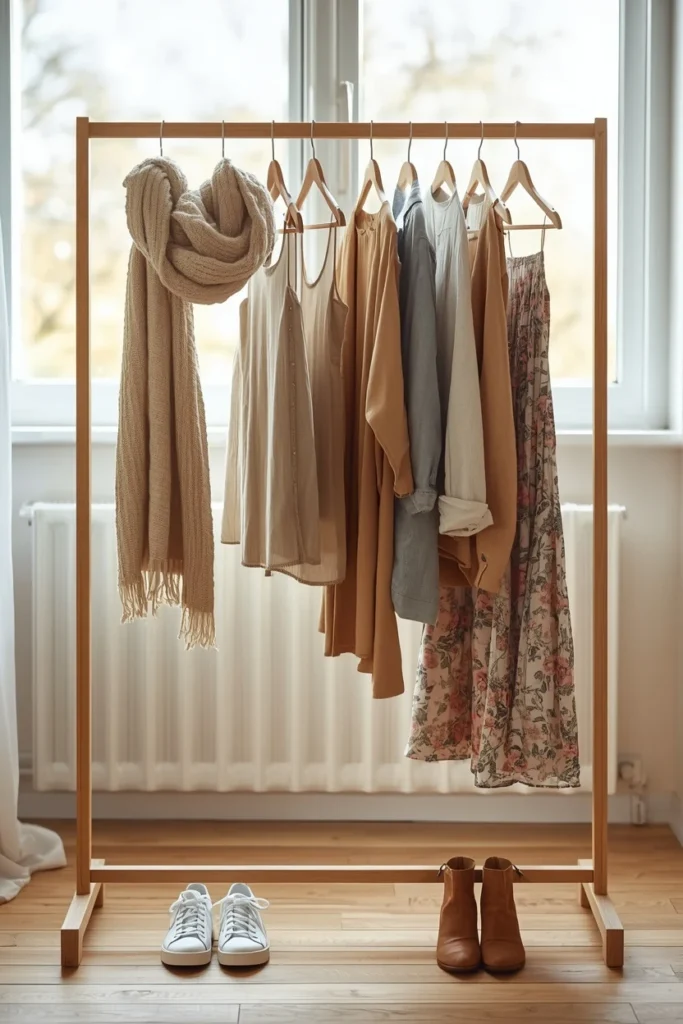
Spring sits in this weird middle ground where the temperature can swing 20 degrees in a single day.
You check the weather app, it says 60 degrees, and somehow that translates to “freezing” at 7 a.m. and “beach weather” by 2 p.m.
The real challenge is not finding cute clothes. It is finding an outfit that adapts without you having to carry a suitcase of backup options. Nobody wants to lug around three jackets just in case.
So what is the actual fix here? Layering with purpose, choosing the right fabrics, and picking pieces that work just as hard as you do. That is the whole game, and I am going to walk you through each part.
Shop Lightweight Layering Tops
Master the Art of Layering
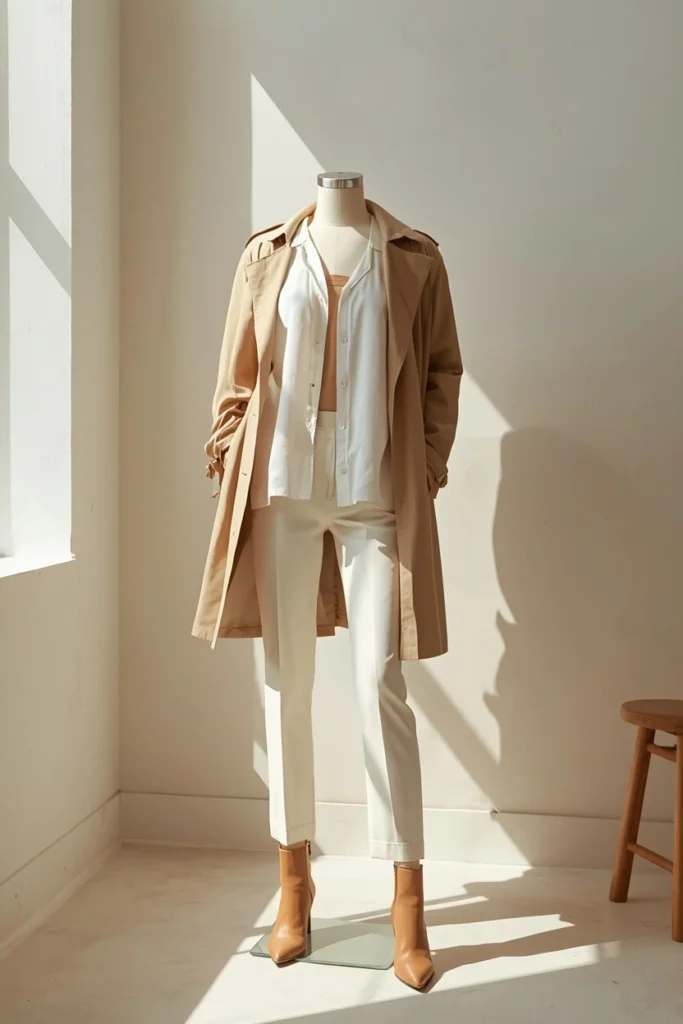
Layering is the backbone of transitional dressing, but there is a right way and a wrong way to do it. Throwing on random pieces until you feel warm enough is not a strategy, it is a cry for help.
Start With a Lightweight Base
Your base layer should be something breathable that will not make you overheat the second the sun comes out. Think:
- Cotton or silk-blend tees
- Lightweight long-sleeve tops
- Tank tops for layering under sheer or open-knit pieces
I personally reach for a silk-blend camisole almost every spring morning because it moves with me and does not trap heat like a thick cotton tee does.
Does it make a difference? Absolutely, and your underarms will thank you by noon.
Add a Versatile Mid Layer
This is where the magic happens. A mid layer gives you warmth you can remove the second it gets too warm, without leaving you standing there in just a tank top.
Good mid-layer options include:
- A light cardigan you can tie around your waist later
- A button-down shirt worn open over a tee
- A thin knit sweater that is not bulky under a jacket
My personal favorite is an oversized button-down. It looks intentional, it is easy to remove, and it does not scream “I packed for every possible weather scenario” even though that is exactly what you did.
Top It Off With a Transitional Outer Layer
Your outer layer is your weather insurance policy. Skip the heavy winter coat and reach for something that handles wind and light rain without suffocating you.
Solid choices here:
- A trench coat (a spring classic for a reason)
- A denim jacket for casual days
- A lightweight bomber for a sportier look
I used to drag my winter parka into April out of sheer stubbornness, and I regretted it every single time.
A trench coat solved that problem permanently, and I genuinely do not know why I waited so long to buy one.
Shop Versatile Cardigans And Button-Downs
Pick Fabrics That Actually Work for Spring
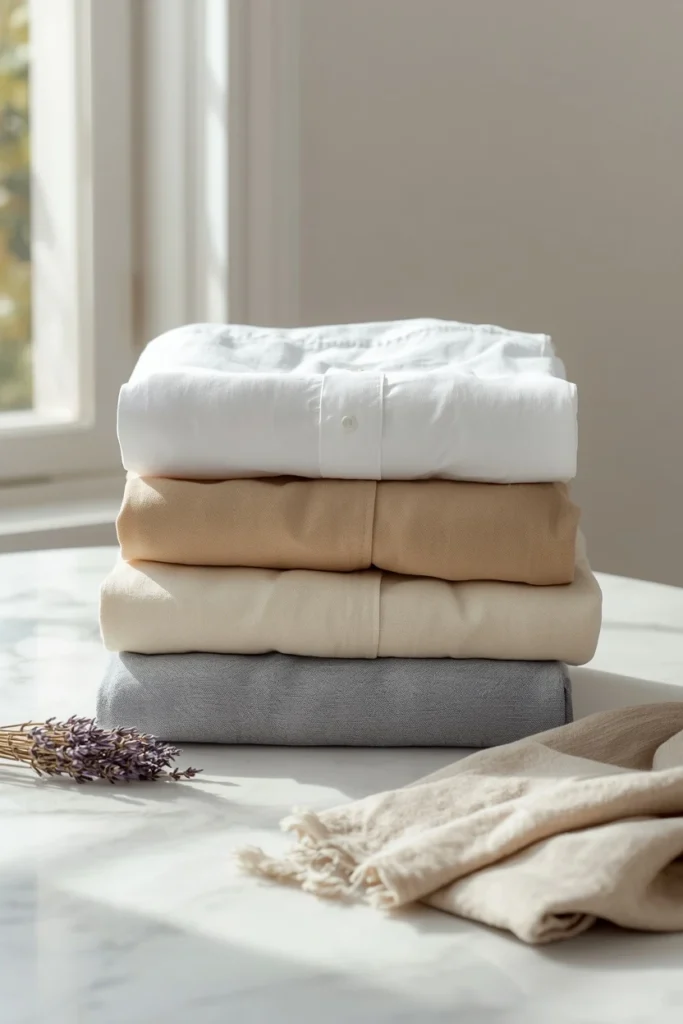
Fabric choice matters more in spring than in any other season, and most people completely overlook it.
Heavy winter fabrics trap heat, while flimsy summer fabrics leave you shivering the second a breeze rolls through.
The best spring fabrics strike a balance. Look for:
- Cotton poplin for structure without the bulk
- Linen blends for breathability on warmer days
- Lightweight denim that works from morning chill to afternoon sun
- Merino wool for a surprisingly breathable, temperature-regulating base layer
Here is a tip most people skip: avoid pure linen too early in the season.
It wrinkles if you look at it wrong, and it offers almost zero warmth when the temperature drops. Save the full linen moment for late spring and summer.
Color Palettes That Bridge Winter and Summer
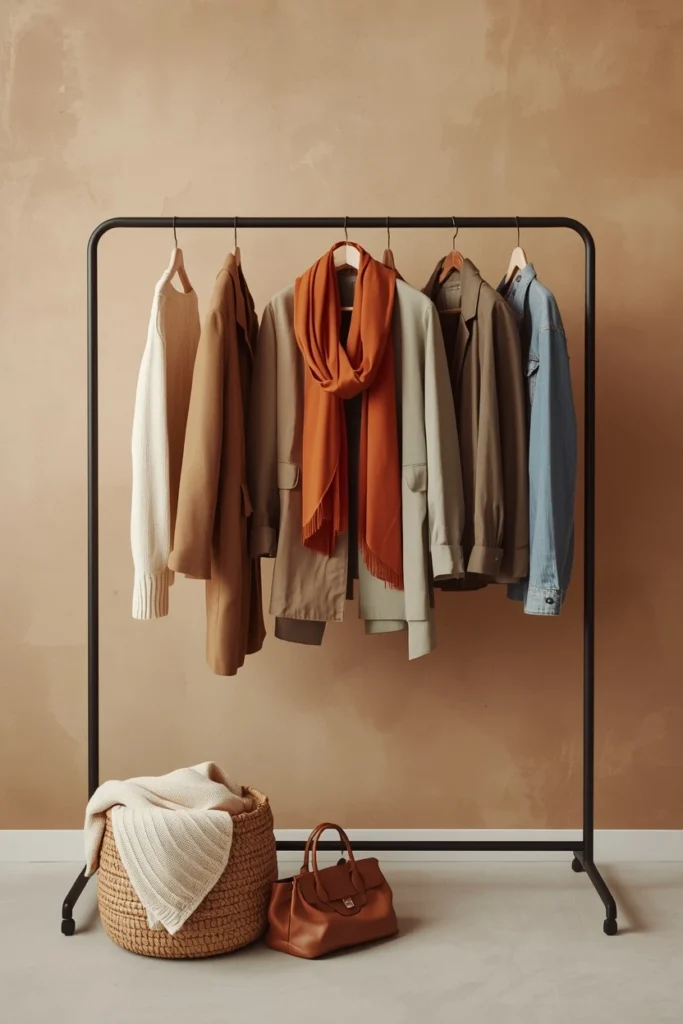
Spring color palettes get a bad reputation for being either boring pastels or an explosion of neon. You do not need either one.
The sweet spot is a palette that transitions naturally between the deep tones of winter and the bright pops of summer.
Transitional Colors Worth Investing In
- Soft neutrals like camel, cream, and taupe
- Muted sage or olive green
- Dusty blue or denim tones
- One or two statement colors to break up the neutrals
I like to keep my base wardrobe neutral and let one bold piece, like a bright scarf or a colorful bag, do the heavy lifting.
Why? Because neutrals mix and match endlessly, and you will not be stuck wondering if your hot pink jacket clashes with everything else you own.
Footwear That Can Handle Rain, Shine, and Everything Between

Shoes get overlooked constantly in spring styling conversations, which honestly baffles me considering how much spring weather loves to throw surprise rain at you.
The right footwear choice can make or break your whole look, both style-wise and comfort-wise.
Stock your rotation with:
- White sneakers for everyday versatility
- Ankle boots for cooler, rainy mornings
- Loafers for a polished, slightly dressed-up option
- Lightweight slip-ons for warmer afternoons
A quick comparison, since people always ask which pair to invest in first: ankle boots offer more weather protection but less breathability, while sneakers offer comfort and style but zero defense against a sudden downpour.
My honest take? Buy the ankle boots first. You can always throw on sandals once summer actually shows up, but soggy sneakers in April are a special kind of miserable.
Accessories That Make Layering Easier
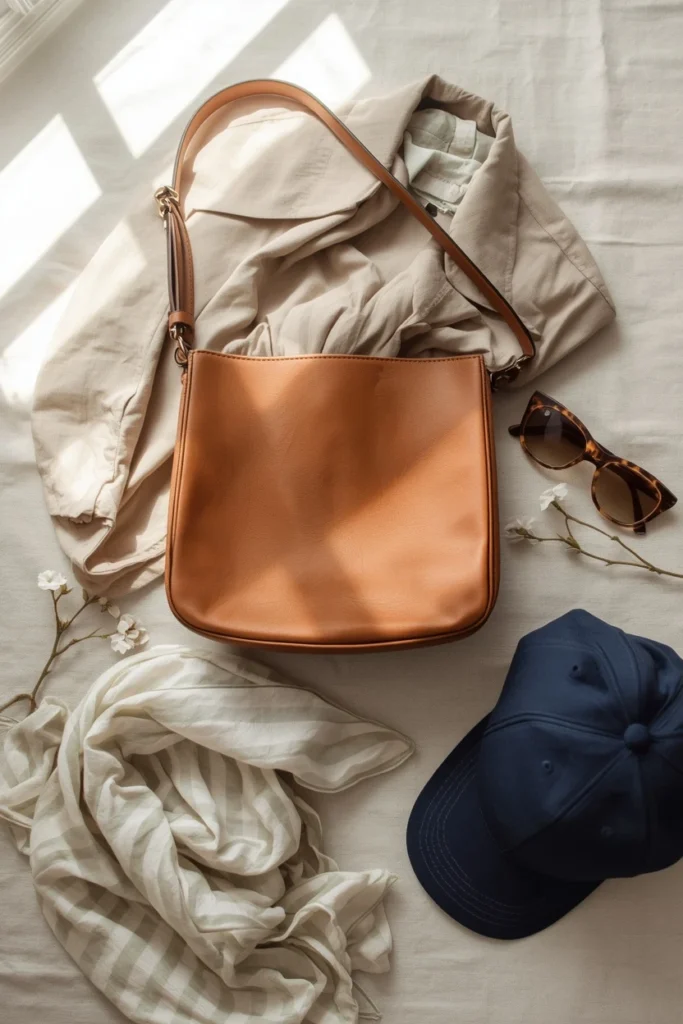
Accessories are not just decoration in spring, they are functional tools that make temperature swings way more manageable.
A good accessory lineup means you do not have to overthink your outfit every single morning.
Essentials worth keeping on hand:
- A lightweight scarf that adds warmth without bulk
- A crossbody bag big enough to stash a folded jacket
- Sunglasses, because spring sun hits differently after a gray winter
- A baseball cap or structured hat for unpredictable wind
Ever notice how a scarf can completely change the vibe of an outfit while also saving you from a chilly morning? That is the kind of multitasking spring dressing rewards.
Keep a couple of these in rotation and you will stop overpacking for every outing.
Shop Spring Scarves And Crossbody Bags
Common Spring Styling Mistakes to Avoid
Let’s talk about the mistakes, because learning from someone else’s wardrobe disasters is way cheaper than making them yourself.
- Overcommitting to one temperature. Dressing only for the morning chill or only for the afternoon sun sets you up to regret your choices by lunchtime.
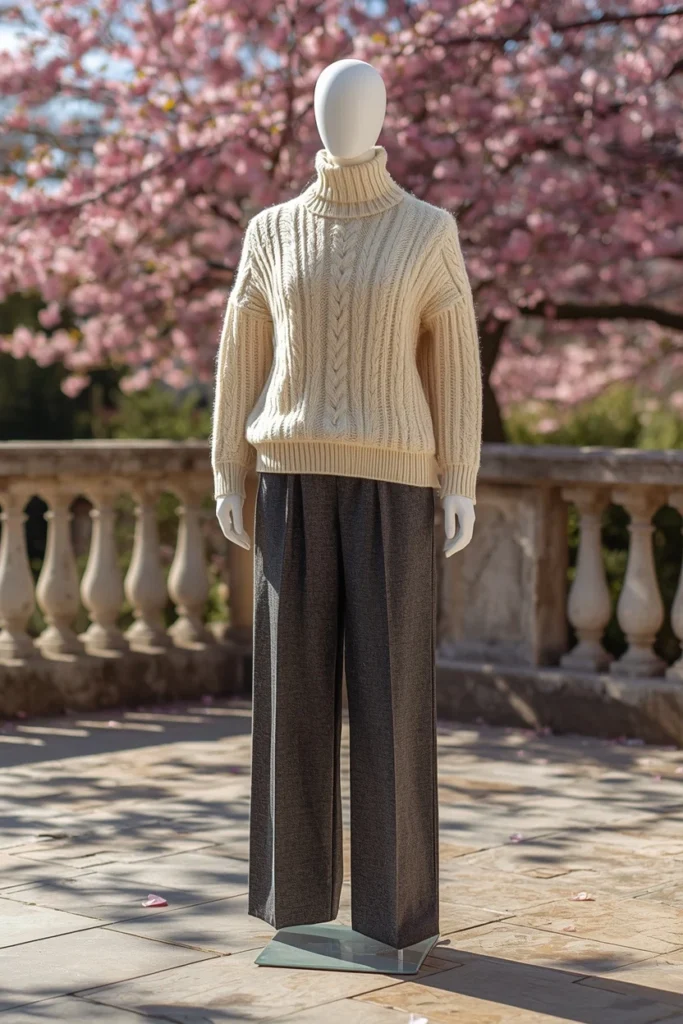
- Wearing all one fabric weight. Mixing a heavy sweater with heavy pants in 65 degree weather is a fast track to overheating.
- Skipping layers entirely. A single statement coat is not a substitute for a proper layering system, no matter how good it looks on the hanger.
- Ignoring footwear practicality. Cute shoes that fall apart in light rain are not actually cute, they are a liability.
I learned the overcommitting lesson the hard way after wearing a full wool outfit to a “chilly” spring morning that turned into a 70 degree afternoon.
I spent the rest of the day looking like I had just finished a marathon, and not in a cool way.
Wrapping It Up
Spring styling does not have to be a daily battle with the weather app.
Build your outfits around smart layering, choose breathable, adaptable fabrics, lean into a transitional color palette, and pick footwear and accessories that pull their weight.
Do that, and you will stop dreading mornings where the forecast reads “partly confusing.”
Give your closet a quick edit based on everything above, and start building outfits that can handle whatever spring throws at you, sunshine, wind, or that one random hailstorm nobody saw coming.
Your future self, standing comfortably in the right jacket at the right moment, will thank you.
How Do You Dress For Transitional Spring Weather?
Build your outfit in layers you can add or remove as the temperature shifts throughout the day.
Start with a breathable base, add a light mid layer like a cardigan or button-down, then top it off with a trench coat or denim jacket.
This way you’re never stuck sweating or freezing no matter what the afternoon decides to do.
What Fabrics Are Best For Spring Layering?
Cotton poplin, lightweight denim, and merino wool all strike the right balance between structure and breathability.
Linen is great too, but save it for later in the season since it offers almost no warmth and wrinkles if you so much as glance at it. Mixing fabric weights is the real trick here, not just mixing pieces.
How Many Layers Should You Wear In Spring?
Three layers usually covers it: a lightweight base, a removable mid layer, and a weather-resistant outer piece.
Any more than that and you’re just carrying your closet around with you. The goal is flexibility, not bulk.
What Shoes Work Best For Unpredictable Spring Weather?
Ankle boots are the safest first investment since they handle rain and cooler mornings without sacrificing style. White sneakers and loafers round out the rotation for warmer, drier days.
Skip anything that falls apart the second it meets a puddle, because spring will absolutely test that shoe.
How Do You Avoid Overpacking For Spring Outfits?
Stick to a neutral color palette and a few multitasking accessories like a lightweight scarf and a crossbody bag big enough to stash a jacket.
When your pieces mix and match easily, you stop needing five backup options for one outing. One solid trench coat and a good scarf will save you more stress than an entire suitcase of alternatives.